Why Hot Dipped Galvanized Bolts Are Your Best Defense Against Rust
The Rust Problem That Kills Infrastructure Projects — and How to Stop It
Hot dip galvanized bolts are the go-to solution when you need serious, long-lasting corrosion protection for structural fasteners exposed to the elements.
Here’s a quick comparison so you can see how they stack up against other options:
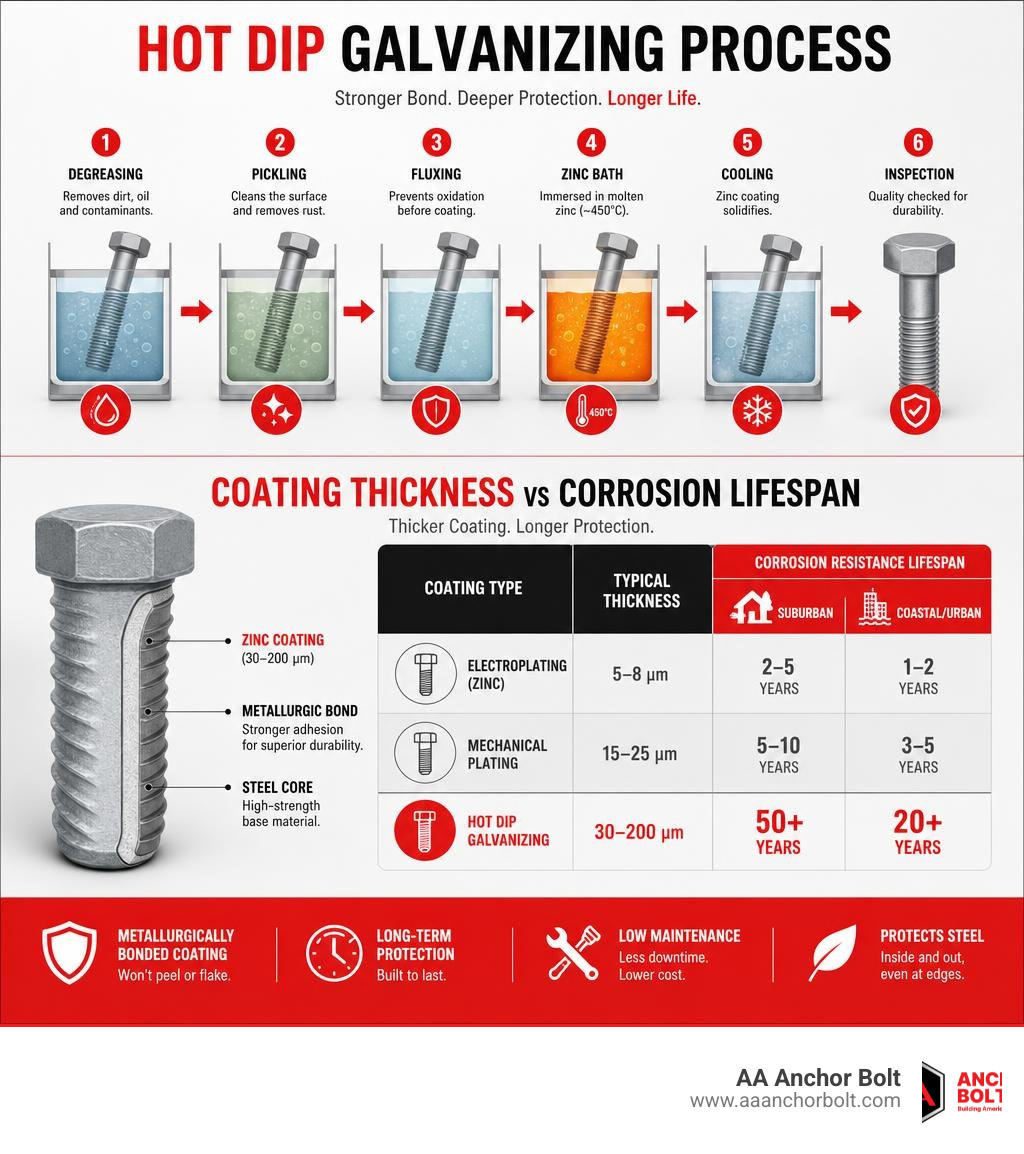
| Coating Type | Typical Thickness | Lifespan (Suburban) | Lifespan (Coastal/Urban) |
|---|---|---|---|
| Electroplating (zinc) | 5–8 µm | 2–5 years | 1–2 years |
| Mechanical plating | 15–25 µm | 5–10 years | 3–5 years |
| Hot dip galvanizing | 30–200 µm | 50+ years | 20+ years |
The short answer: Hot dip galvanized bolts outlast other zinc coatings by a wide margin because the zinc layer is metallurgically bonded to the steel — not just sitting on top of it. That bond means better protection, less maintenance, and lower long-term cost.
If you’re specifying fasteners for infrastructure, outdoor steel structures, or any environment where rust is a real threat, the choice of coating matters more than most people realize. A bolt that fails mid-project — or five years into a 30-year structure — isn’t just a maintenance headache. It’s a structural and safety liability.
The good news is that hot dip galvanizing has been the trusted answer to this problem for over 100 years. In suburban environments, a standard hot dip galvanized coating can go more than 50 years without repair. Even in harsh coastal or urban conditions, you’re looking at 20+ years of maintenance-free performance.
This guide breaks down exactly how these bolts work, where to use them, and what to watch out for — so you can specify with confidence.
What Are Hot Dip Galvanized Bolts and How Are They Made?
To understand why hot dip galvanized bolts are so resilient, we have to look at how they are manufactured. The process is far more intense than simply spraying paint or electrochemically depositing a thin layer of zinc. It is a multi-stage thermal and chemical journey that alters the surface of the steel itself.
The hot dip galvanizing process for threaded fasteners typically follows these steps:
- Degreasing: The raw steel bolts are chemically cleaned to remove organic contaminants like oil, grease, and dirt.
- Pickling: The bolts are immersed in an acid bath (usually hydrochloric or sulfuric acid) to strip away mill scale, rust, and iron oxides. This prepares the bare steel surface for bonding.
- Fluxing: The steel is dipped into an auxiliary plating solution (often zinc ammonium chloride) to prevent oxidation before entering the zinc bath. It also helps the molten zinc wet the steel surface.
- Molten Zinc Immersion: The clean, dry bolts are submerged in a vat of molten zinc maintained at approximately 840°F to 900°F (450°C to 480°C). Here, the steel and the zinc react.
- Centrifuge Spinning (Hot Dip Spun Galvanizing): Threaded fasteners require a specialized step. Immediately upon retrieval from the molten zinc, the bolts are placed in a high-speed centrifuge. This spinning process flings off excess zinc from the threads, ensuring they remain clean and usable.
- Quenching & Cooling: The bolts are cooled in water or air to solidify the coating and stop the reaction.
During immersion, a series of zinc-iron alloy layers form on the surface of the bolt. This is not a mechanical stick-on coating; it is a true metallurgical bond. The zinc actually diffuses into the steel, creating intermetallic layers that are harder than the base steel itself. This unique structure provides incredible resistance to mechanical damage during transport, installation, and decades of service.
To learn more about how we manufacture custom structural fasteners to withstand these rigorous thermal processes, check out our Manufacturing Capabilities.
Comparing Zinc Coatings: Why Hot Dip Galvanized Bolts Outperform the Rest
When evaluating corrosion-resistant bolts, you will encounter several types of zinc-based coatings. While they all utilize zinc to protect steel, their application methods, thickness, and performance profiles vary dramatically.
Electroplating (Zinc Plating)
Electroplating involves using an electrical current to deposit a very thin, uniform layer of zinc onto the bolt. While this delivers an aesthetically pleasing, shiny finish with precise thread tolerances, the coating is incredibly thin — usually only 5 to 8 microns (µm). It is ideal for indoor, dry applications but will rust rapidly when exposed to rain, road salt, or humidity.
Mechanical Plating
Mechanical plating utilizes kinetic energy rather than heat or electricity. Bolts are tumbled in a drum with zinc powder, glass beads, and chemicals. The glass beads physically hammer the zinc particles onto the steel surface. This method achieves a thicker coating than electroplating (typically 15 to 25 µm) and avoids the risk of hydrogen embrittlement. However, the coating lacks the dense, metallurgical bond of hot-dip galvanizing and is more prone to chipping.
Sherardising
Sherardising is a vapor-diffusion process where steel parts are heated in a closed drum with zinc dust. The zinc vaporizes and diffuses into the steel surface, creating a highly uniform, hard alloy layer. While excellent for complex shapes and small threads, sherardising is generally limited by drum size and is less common for large structural bolts.
Why Hot Dip Galvanizing Wins
The primary advantage of hot dip galvanized bolts comes down to coating thickness and the nature of the zinc barrier. A standard hot dip galvanized coating is typically between 30 and 60 microns thick — and can reach up to 200 microns for heavy-duty infrastructure working in harsh environments.
Furthermore, zinc provides both mechanical and electrochemical (sacrificial) protection. If the coating is scratched or gouged during installation, the surrounding zinc acts as a sacrificial anode, corroding preferentially to protect the exposed steel. Over time, the outer zinc layer reacts with the atmosphere to form a tight, insoluble protective film of zinc oxide, zinc hydroxide, and eventually zinc carbonate. This natural barrier slows down the rate of corrosion to a crawl, ensuring a maintenance-free lifespan that other coatings simply cannot match.
| Feature | Electroplating | Mechanical Plating | Hot Dip Galvanizing (HDG) |
|---|---|---|---|
| Application Temp | Ambient | Ambient | ~840°F to 900°F |
| Bond Type | Weak mechanical / physical | Mechanical compaction | Metallurgical alloy layers |
| Typical Thickness | 5–8 µm | 15–25 µm | 30–200 µm |
| Thread Precision | High (no adjustment needed) | Moderate | Requires oversized tapping |
| Outdoor Durability | Low (rusts quickly) | Moderate | Extremely High (50+ years) |
Key Standards and Specifications for Galvanized Fasteners
To ensure safety and performance in structural and industrial applications, galvanized fasteners must comply with rigorous national and international standards. Specifying the correct standard is critical to matching the design life of your assembly.
- ASTM A153 (Class C and D): This is the classic American standard governing zinc coatings applied by the hot-dip process on iron and steel hardware. It specifies minimum coating weights and thicknesses for various fastener sizes.
- ISO 10684: This international standard specifically covers hot dip galvanized coatings for threaded steel fasteners, outlining requirements for the coating process, post-treatment, and dimensions.
- AS/NZS 1214: Widely used in international infrastructure projects, this standard aligns closely with ISO 10684, defining the required zinc thickness and testing procedures for galvanized threads.
- DIN 267 (Part 10): For European-specified projects, the DIN 267 – PDFCOFFEE.COM reference provides the historical and technical framework for fastener product specifications, including surface protection and mechanical properties.
When designing heavy-duty foundations or structural columns, these standards work hand-in-hand with specific bolt grades. For instance, if you are sourcing a heavy-duty F1554 Anchor Bolt, you must ensure the hot-dip galvanizing process complies with ASTM A153 to guarantee the zinc coating will endure decades of burial in concrete or exposure to wet soils.
Design and Installation Best Practices for Structural Joints
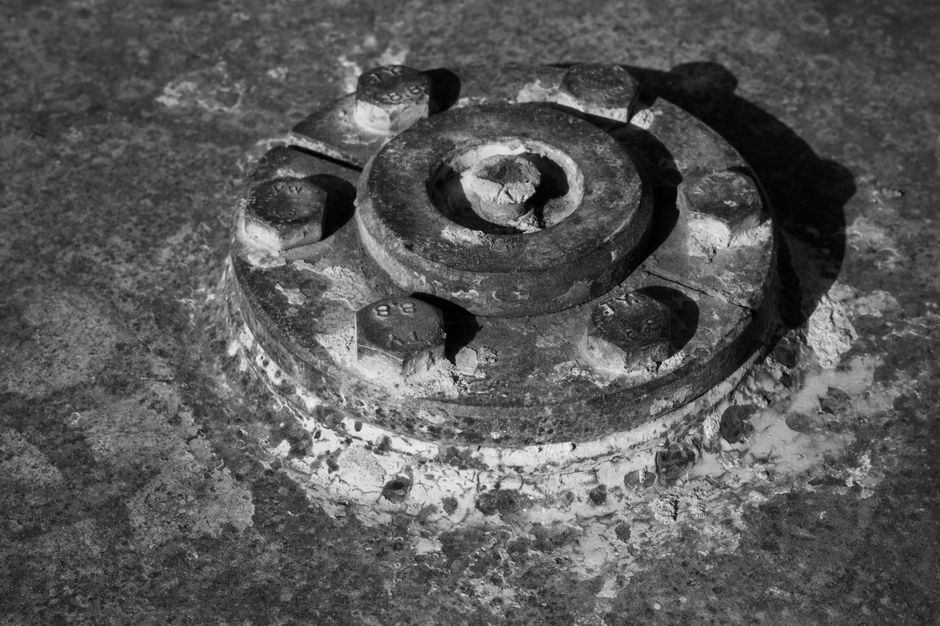
Designing a joint with hot dip galvanized bolts requires more than just picking a bolt size off a chart. Because the zinc coating is thick and relatively soft compared to bare steel, it changes how the joint behaves under load.
Bearing-Type vs. Friction-Type Joints
In structural engineering, bolted joints transfer load in one of two ways:
- Bearing-Type Joints: The bolts act like pins. The plates slip slightly until they press against the sides of the bolts, transferring force through shear.
- Friction-Type (Slip-Critical) Joints: The bolts are tightened to a high tension, clamping the steel plates together so tightly that the friction between the plates prevents any slip.
Zinc is a naturally lubricating metal, which means hot-dip galvanized steel plates have a lower slip factor than bare, unpainted steel. If you are specifying galvanized bolts for a friction-type joint, the contact surfaces must be treated (such as by wire brushing or light grit blasting) to roughen the zinc and achieve the required slip resistance.
Tightening Methods
Because of the variable friction of the zinc coating, traditional torque-wrench tightening can be unreliable for structural bolts. If you apply a standard torque value to a galvanized bolt, much of that energy is wasted overcoming thread friction, resulting in low tension. Best practices per modern structural codes recommend:
- Snug Tightening: Bringing the plies into firm contact using an impact wrench or an ironworker’s spud wrench.
- Part-Turn Method (Turn-of-Nut): Rotating the nut a specified fraction of a turn past the snug-tight position to guarantee the bolt is properly tensioned.
- Direct Tension Indicators (DTIs): Using special washer-like devices with protrusions that flatten when the correct bolt tension is achieved.
For a deeper dive into structural bolting design, slip factors, and assembly testing, we highly recommend consulting the Best Practice Guide for Hot Dip Galvanized Bolts and Bolted Joints .
Preventing Thread Galling in Hot Dip Galvanized Bolts
Thread galling is a form of wear caused by adhesion between sliding thread surfaces. When a galvanized bolt and nut are tightened, the high friction can cause the zinc coatings to pressure-weld together. This locks the threads before the fastener is fully tightened, often leading to sheared bolts or ruined assemblies.
To prevent thread galling, follow these guidelines:
- Lubrication is Key: Always apply a high-quality lubricant to the threads before assembly. Beeswax, molybdenum disulphide (moly), or tallow are highly effective at reducing friction.
- Use Oversized Tapped Nuts: Because the zinc coating adds 30 to 60 microns to the bolt threads, matching nuts must be tapped oversize after they are galvanized. This extra clearance prevents the threads from binding while maintaining the required stripping strength.
- Slow Down: Avoid using high-speed impact guns to run nuts down galvanized threads, as the heat generated accelerates galling.
High-Strength Limitations and Hydrogen Embrittlement in Hot Dip Galvanized Bolts
While hot-dip galvanizing is fantastic for corrosion defense, it cannot be applied to every steel grade without caution. The primary technical concern is hydrogen embrittlement.
During the acid pickling stage of the galvanizing process, atomic hydrogen can dissolve into the high-strength steel. Under high tensile loads, this trapped hydrogen can migrate to microscopic flaws in the steel, causing the bolt to crack and fail catastrophically without warning.
This risk is directly tied to the hardness and tensile strength of the steel:
- Safe to Galvanize: Low-to-medium strength steels, such as Grade 36 and Grade 55 anchor bolts, have no risk of hydrogen embrittlement.
- Proceed with Caution: High-strength structural bolts like Grade 105 or Property Class 8.8 and 10.9 can be galvanized, but they require careful manufacturing controls, such as baking the bolts after pickling to drive out hydrogen, or using mechanical cleaning (shot blasting) instead of acid pickling.
- Prohibited from Galvanizing: Fasteners with an ultimate tensile strength exceeding 150 ksi (or hardness of 33 HRC and above), such as ASTM A490, ASTM A354 Grade BD, and SAE J429 Grade 8, should never be hot-dip galvanized. For these ultra-high-strength applications, alternative coatings like zinc/aluminum flakes or mechanical plating must be used.
Additionally, because the galvanizing kettle sits at roughly 840°F, quenched and tempered fasteners must have a tempering temperature well above this threshold (typically 1100°F or higher) to prevent the heat of the zinc bath from softening the steel and downgrading its mechanical properties.
Typical Applications and Industries Relying on HDG Fasteners
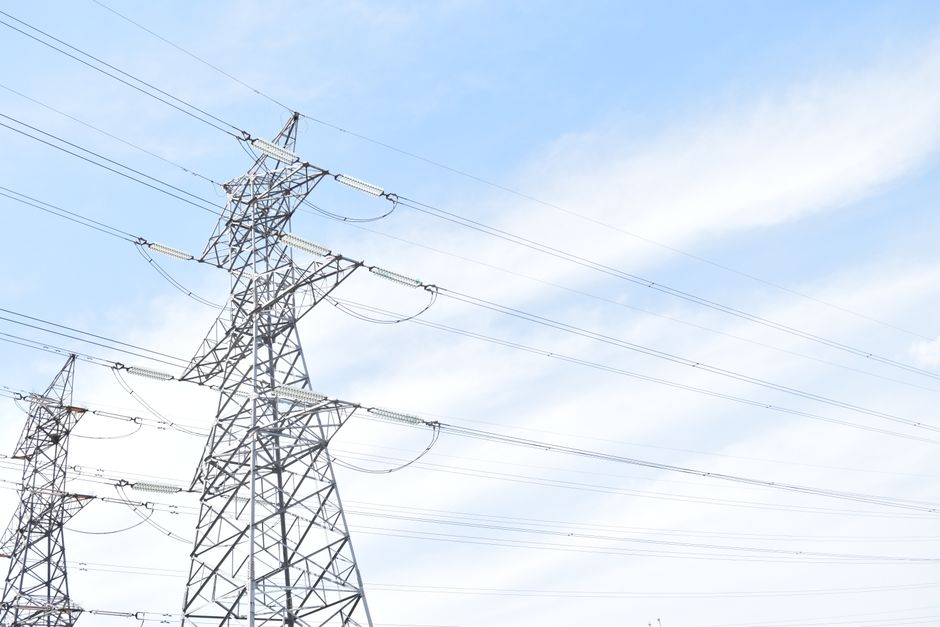
Because of their unmatched durability and self-healing properties, hot dip galvanized bolts are the standard choice for critical outdoor infrastructure.
Key applications include:
- Power Transmission and Signal Towers: Utility poles and transmission towers stand in remote areas for decades. HDG bolts ensure these structures remain standing without requiring frequent, expensive maintenance climbs.
- Highway Guardrails and Signage: Roadside safety barriers are continuously exposed to rain, snow, and corrosive de-icing salts. Galvanized fasteners keep these safety systems intact.
- Marine and Coastal Infrastructure: Docks, piers, and coastal bridges face constant exposure to saltwater spray. The heavy zinc coating on HDG fasteners provides the thick physical barrier needed to withstand these aggressive environments.
- Outdoor Structural Steel: Commercial parking structures, agricultural buildings, and industrial plants rely heavily on galvanized bolted connections to achieve a service life that matches the main steel frame.
Frequently Asked Questions About Galvanized Fasteners
Can all high-strength bolts be hot-dip galvanized?
No. High-strength bolts with a tensile strength over 150 ksi (such as ASTM A490 or SAE J429 Grade 8) are highly susceptible to hydrogen embrittlement and should never be hot-dip galvanized. Additionally, quenched and tempered bolts must have a tempering temperature significantly higher than the 840°F galvanizing bath to avoid losing their strength during immersion.
Why do hot-dip galvanized bolts require oversized nuts?
Hot-dip galvanizing adds a thick, protective layer of zinc (often 30 to 60 microns) to the threads of a bolt. If you try to thread a standard nut onto a galvanized bolt, the fit will be too tight, causing the threads to jam or gall. To accommodate this extra thickness, matching nuts are tapped oversize after galvanizing, allowing for a smooth assembly while maintaining full structural strength.
How long do hot-dip galvanized bolts last in coastal environments?
In marine and coastal environments where saltwater spray is common, a standard hot-dip galvanized coating (with a thickness of 50 to 100 µm) typically lasts 20 years or more without requiring maintenance. In less aggressive suburban environments, that same coating can easily protect the steel for over 50 years.
Conclusion
When it comes to defending your structural joints against the relentless threat of rust, hot dip galvanized bolts are simply unmatched. By creating a tough, metallurgically bonded zinc-iron alloy barrier, they deliver decades of maintenance-free performance in even the harshest outdoor environments.
At AA Anchor Bolt, we understand that structural integrity starts from the ground up. As a Michigan-based, family-owned manufacturer, we specialize in producing custom anchor bolts and specialty fasteners tailored to your exact specifications. With nearly a million pounds of in-house steel and complete domestic production control, we provide the fast turnaround and reliable quality your project demands.
Ready to secure your next project with fasteners built to last? Explore our full range of structural and custom Products today.